Opening Doors Close to Home
Before Dan Meadows was accepted to medical school, he was a young person without a clear path. He remembers driving through Chico in a carpet-cleaning van and seeing people his age who seemed to know where they were going. Dan wanted to help people, but as he later explained, he did not know where the doors were, much less how to open them.
Fourteen years of working at Enloe changed that. Laboratory scientists fed his curiosity. Oncology nurses corrected him, encouraged him, and showed him what compassion looks like. Physicians, patients, technicians, and coworkers gave him examples worth following.
In Dan’s words, “The truth is that the answer is people.”
That gratitude became A Love Letter to Chico, or ALL to Chico. What began as a fundraiser soon became a community of premedical students, future physician assistants, mentors, friends, and others who wanted to serve. Members began helping one another with personal statements, meeting through a book club, talking honestly about healthcare careers, and creating their own opportunities to give back.
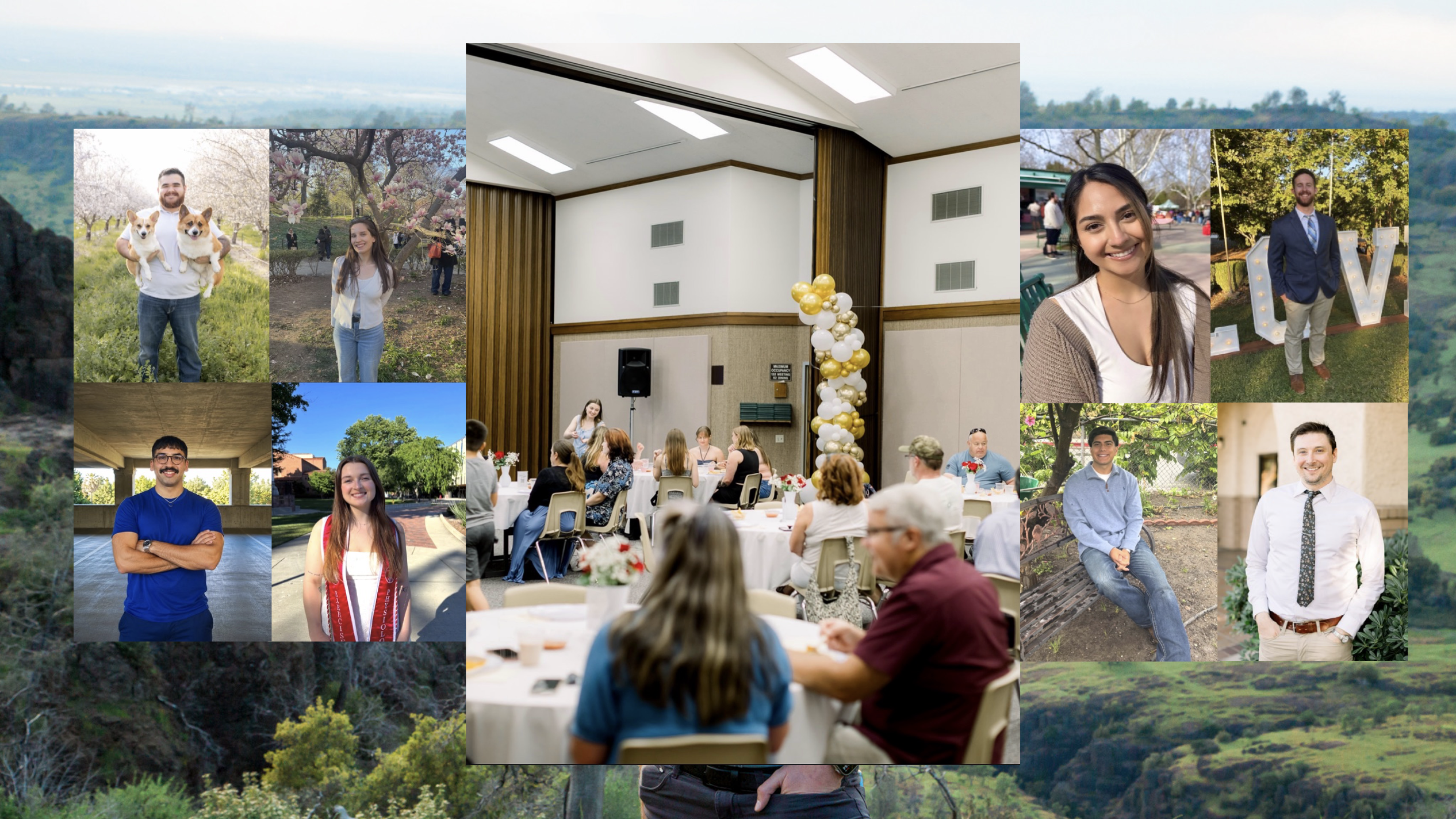
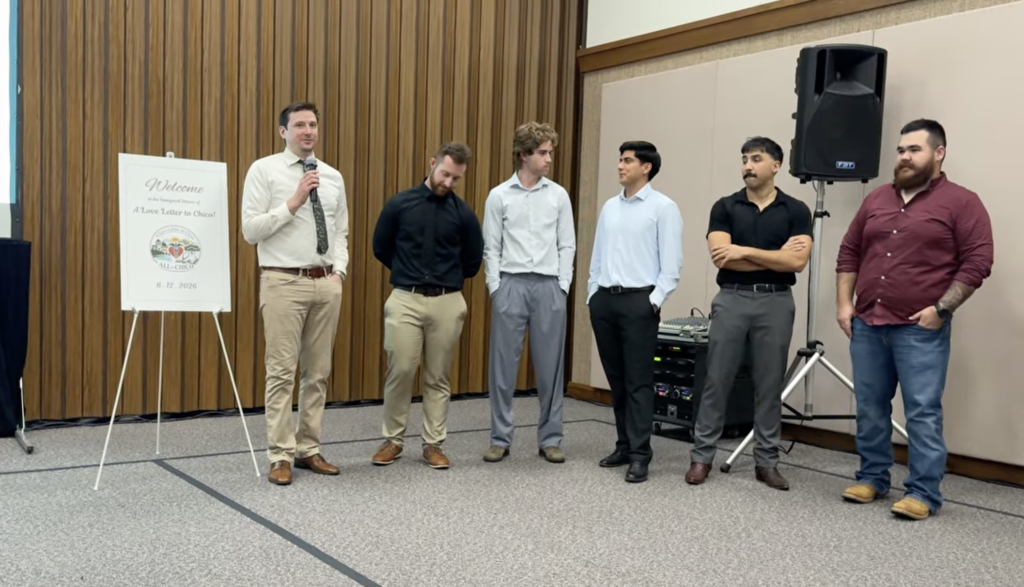
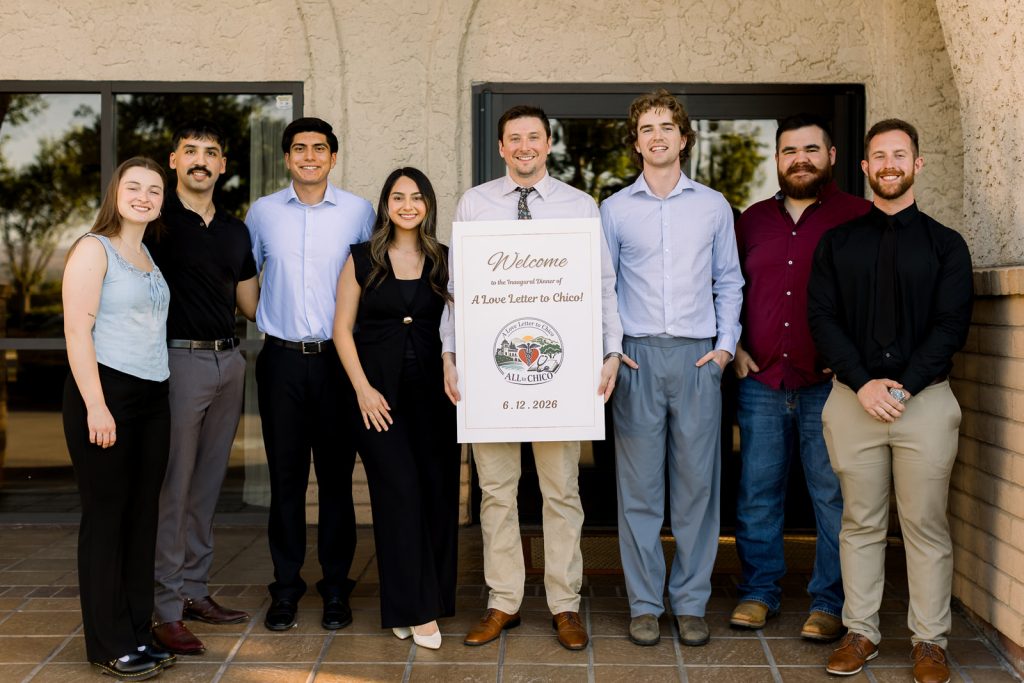
ALL to Chico is led by premedical students and is dedicated to strengthening Chico and surrounding rural and underserved communities through service, connection, and opportunity. In this edited Emundi Insights (EI) conversation, we catch up with Dan Meadows, President and a founding member, before his departure to medical school as well as other leaders and founding members of ALL to Chico such as Lucia Bravo (Director of Outreach), David Ratner (Chief Financial Officer), and Jamie Deas (Vice President). Dan, Lucia, David, and Jamie explain what inspired the organization, what they want to create for other students, and what a new medical school could mean for Chico and the North State.
EI: Dan, why did you create ALL to Chico?
Dan: Chico helped raise me. People here invested in me, answered my questions, and helped me see a future I could not see on my own. ALL to Chico is my way of saying thank you by helping someone else find that same kind of support.
EI: Why call it “A Love Letter to Chico”?
Dan: Because that’s what it is. The letter is addressed to the nurses, physicians, laboratory scientists, patients, friends, and mentors who shaped us. But it is not only a thank-you note, it is a commitment to give something back.
EI: Jamie, what would success look like for ALL to Chico?
Jamie: Success would be a student from Chico, Paradise, Oroville, Willows, Orland, or another North State community knowing where to begin, and knowing that people are ready and willing to help. It would also mean giving back to the community that helped form us into the people we are today. To make a meaningful impact that benefits both the community at large as well as the next generation of people exploring careers in healthcare. It would involve more students serving locally and more community organizations working together to benefit the region as a whole.
EI: You said that “the answer is people.” What do you mean?
Dan: People often assume that getting into medical school is only about grades, tests, and applications. Those things matter, but I got here because people fed my curiosity and took the time to teach me. One person’s encouragement can change the direction of someone’s life.
“One person’s encouragement can change the direction of someone’s life.”
— Dan Meadows
EI: Lucia, why did you become part of ALL to Chico?
Lucia: Although I was raised in Orland, I consider Chico like a second home. The community here is unlike any other place I’ve experienced. We care for each other, and really work together with the limited resources that are provided. We are a growing community and the opportunities to develop can be minimal to choose from. I chose to contribute to this nonprofit organization because the people in Chico have shown me continuous support in my studies, career, and even personal life. I hope to create meaningful changes and empower future generations to thrive in the community we call home.
EI: David, what do you wish had existed when you were starting out?
David: I wish the path to medical school had been more clear. A good chunk of us in ALL to Chico are not traditional students, and we all have similar experiences of feeling lost in our journeys due to the lack of local premed resources. In many ways, ALL to Chico became that resource for us: we worked on applications together, shared study tips and tutored one another, and vented our frustrations when we felt overwhelmed.
It is a goal of mine for ALL to Chico to become that premed community for future students. It is a major investment into our community. I believe that there are many other young students like us who want to pursue medicine but have no idea where to start or what the path really looks like. ALL to Chico could help them in the same way it has helped us, and maybe even get those students to stay local as a bonus.
EI: What has ALL to Chico already become?
Jamie: ALL to Chico has already become more than a fundraiser. We started working on personal statements, formed a book club, discussed the challenges of careers in healthcare, and created the opportunities to serve others. We are building the kind of community many of us wished we could have experienced earlier in our premedical journeys.
EI: Lucia, what should that support look like in practice?
Lucia: For me, one of the most rewarding parts of being on the pre-med path is helping others navigate it. I know how overwhelming it can feel when you’re trying to figure out prerequisites, clinical experiences, applications, or even whether you’re on the right track. Having someone who has been through it and is willing to share their experiences can make a huge difference.
Support, in practice, looks like being approachable and willing to give back. It might mean answering questions, connecting someone with opportunities, reviewing an application, or simply encouraging them when they’re doubting themselves. Those small moments of guidance can build confidence and help students realize that their goals are achievable.
“Those small moments of guidance can build confidence and help students realize that their goals are achievable.”
— Lucia Bravo
EI: Why should surrounding communities be included?
Lucia: Many of the communities surrounding Chico are just as underserved and face many of the same barriers to educational and professional opportunities. We want to strengthen our entire region by ensuring that students, regardless of where they come from, have access to mentorship, resources, and opportunities. Our goal is to invest in our local communities and help students succeed close to home while empowering them to give back in the future.
EI: Dan, why is ALL to Chico supporting the effort to create a medical school here?
Dan: I am leaving Chico to attend medical school in Nashville. I said this at our dinner, and I mean it: “If I could attend medical school in Chico, I would not be leaving.” Many students have to leave communities like ours to pursue medicine, and not everyone finds a path back.
“If I could attend medical school in Chico, I would not be leaving.”
— Dan Meadows
EI: What could a medical school in Chico change?
David: I hate to sound so hyperbolic, but it would change everything. Like Dan said, if there was a medical school in Chico, I would never have to leave. There is a large population of talented young people here in the North State that are forced to pursue their education elsewhere. A medical school in Chico would be able to tap into that population and help convince those individuals to stay local and benefit the community at large.
EI: Jamie, what should a new medical school learn from Chico’s healthcare community?
Jamie: It should carry forward the humility, curiosity, and compassion I saw every day working at Enloe Health. I watched physicians carry enormous responsibility with humility. I watched nurses handle difficult situations with grace and compassion. I also learned that science and curiosity are not separate from care. It is one of the ways we care for people by being curious about them. I want this new medical school to reflect the commitment that the people of Chico have to serve this and the surrounding communities.
EI: Lucia, what would “closer to home” mean for a young person?
Lucia: It would make these career paths feel attainable rather than distant. Students would have the opportunity to connect with medical students, physicians, researchers, and other mentors right here in their own community. Seeing people who have walked a similar path, asking questions, and learning firsthand about the journey can make a meaningful difference. It helps students build confidence, gain direction, and realize that pursuing a career in healthcare is possible without first having to leave home.
EI: David, is this only about increasing the number of physicians?
David: No. While the area is facing a physician shortage, there is also a lack of many other healthcare services. A medical school brings so much more than physicians, it provides many other opportunities for other healthcare providers as well as the general population. Many other schools train all types of healthcare providers, and I could easily see a new school in Chico providing opportunities for individuals to pursue many different careers within healthcare. Additionally, a school like this requires a lot of people at every level to keep it running. The positive effect that this school could have on the local economy cannot be overstated.
EI: Lucia, why does a distributed medical education model matter?
Lucia: Because the school should belong to the entire North State. The healthcare needs we see in Chico are shared by many surrounding communities, and students should have the opportunity to learn in hospitals, clinics, and communities throughout the region that they will one day serve.
A distributed model would allow the benefits of the medical school to extend far beyond Chico. Similarly, Emundi’s proposed model envisions students learning across North State healthcare settings through partnerships with local hospitals, clinics, community organizations, and healthcare systems.
EI: What roles do people outside medicine have in this vision?
Jamie: People outside of medicine have a very important role in this vision. I learned so much from my time working in a hospital not just from doctors and nurses, but from housekeepers, secretaries, phlebotomists, patients, friends, students, and many others. Everybody has unique perspectives and opinions of the world and we can learn so much from each other. A caring community is built by people who show up, share what they know, and treat others with respect and empathy.
EI: Lucia, how can empathy become something practical?
Lucia: Empathy becomes meaningful when it leads to action. It means taking the time to listen, treating every question with respect, offering guidance, making connections, and encouraging students when they begin to doubt themselves. Often, it’s the small, genuine acts of support that make the biggest difference. They help students feel seen, and remind them that they don’t have to navigate their journey alone.
EI: David, why does building opportunity in Chico matter to you?
David: It matters to me because Chico is my home. I have spent most of my life here, and want nothing more than to return here to practice medicine following my education. I have personally seen the challenges our community faces, and I want to take an active part in finding solutions to said problems.
EI: Dan, what can members of the community do now?
Dan: Feed someone’s curiosity. Recommend the book. Answer the question. Take a few extra minutes. You may never know what that investment will become, but I know what it became for me.
EI: What do you hope ALL to Chico leaves behind?
Dan: Before leaving for medical school, I wanted to plant trees whose shade I may never sit under. ALL to Chico is one of those trees. I hope it keeps growing, keeps opening doors, and keeps helping people feel that they belong.
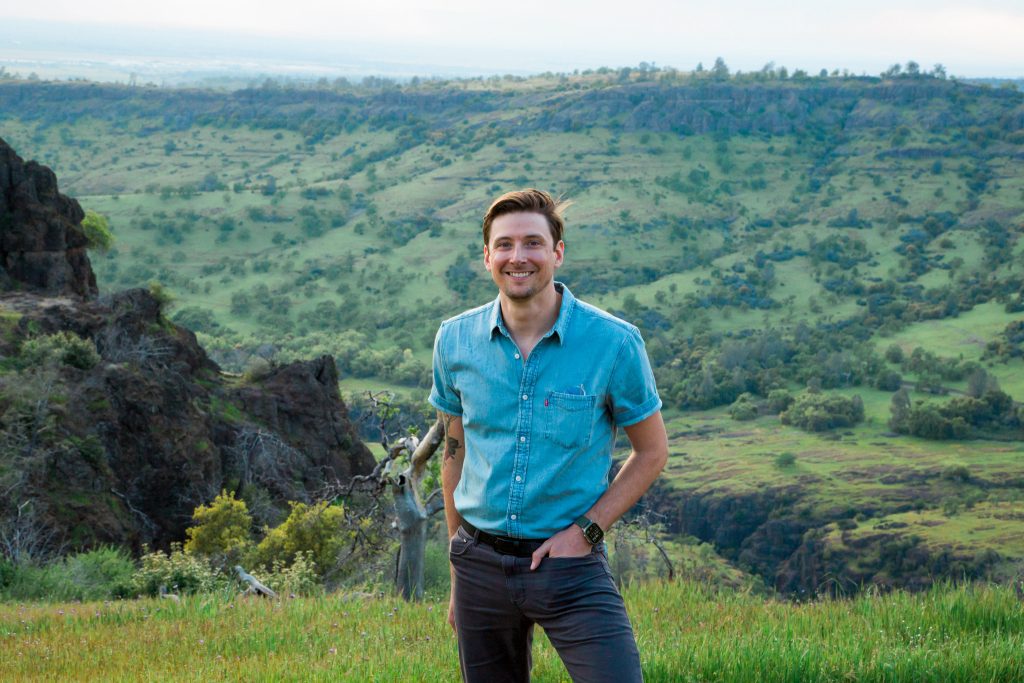
“Before leaving for medical school, I wanted to plant trees whose shade I may never sit under.”
— Dan Meadows
A Future Built by People
Dan’s story brings the purpose of ALL to Chico into focus. A medical school is not only a place where students earn degrees. It can be a community of people who make paths visible, feed curiosity, model compassion, and help talented young people recognize that they belong.
ALL to Chico is beginning that work now. Its members are turning gratitude into service and building the support they once wished had been easier to find. Their hope is simple: that more students can discover a path into healthcare, pursue it closer to home, and use what they learn to strengthen Chico and the entire North State.